Testing of Current Transformers – Silsbee & Arnold Method
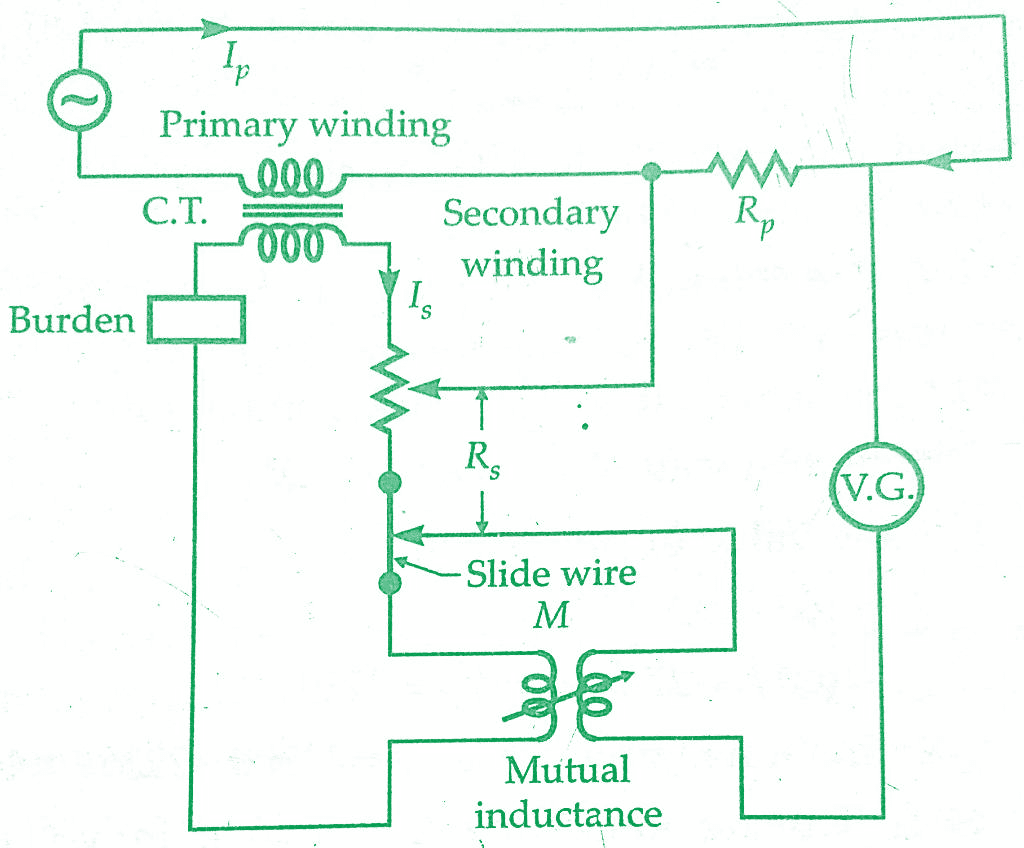
Current transformers (CTs) are essential components in electrical systems, responsible for transforming high currents to manageable levels for accurate measurement and protection purposes. Ensuring the proper functioning of CTs is vital to maintaining the reliability and safety of power systems. 1)Mutual Inductance Method of Testing: This is one of the oldest ways of current Transformers … Read more
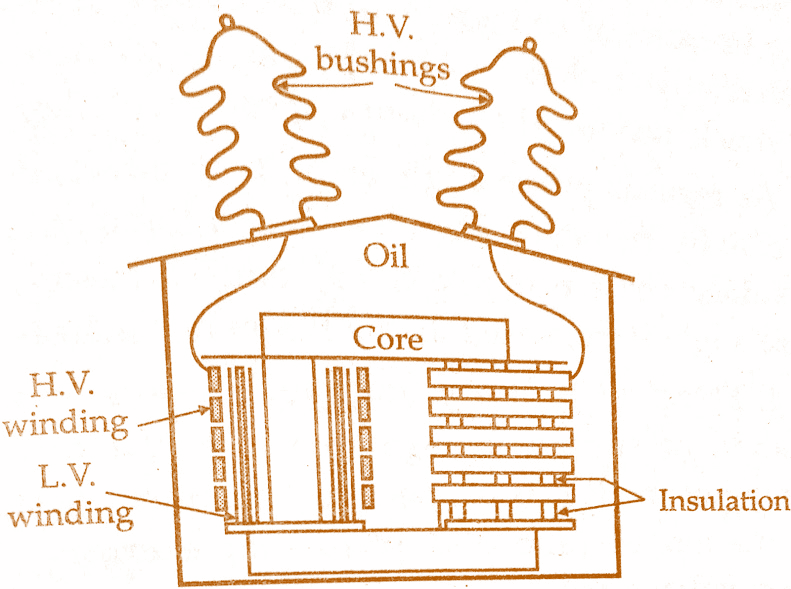
Construction, Working & Characteristics of Potential Transformers

What are Potential Transformers?          Potential transformers are used to operate voltmeters, the potential coils of wattmeters and relays from high voltage lines.The primary winding of the transformer is connected to the line carrying the voltage to be measured and the voltage circuit is connected across the secondary winding.        … Read more

Errors , Characteristics & Methods to reduce errors in Current Transformers

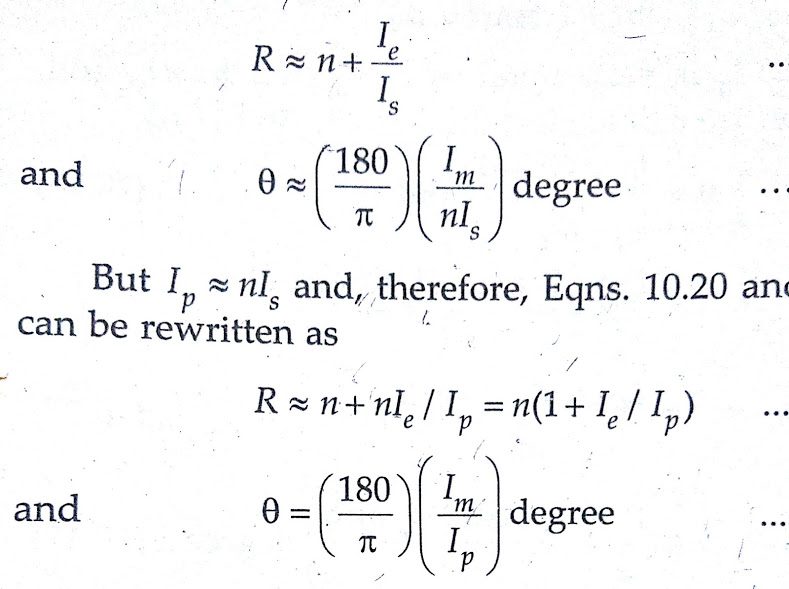
Errors in Current Transformers:           It is known that the value of transformation ratio (actual ratio) is not equal to the turns ratio in current transformers.Also, the value is not constant but depends upon the magnetizing and loss components of the exciting current, the secondary winding load current and its power … Read more

Current Transformer – Working, Types & Construction

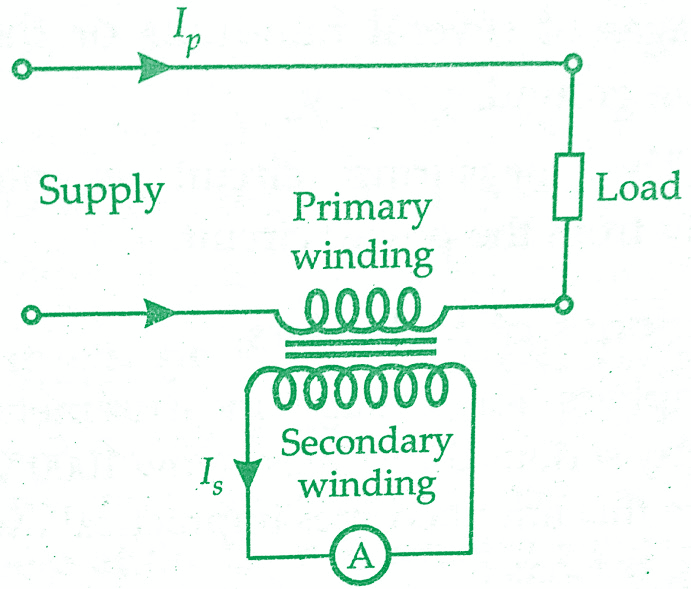
Construction of Current Transformer:        The current transformer is used with its primary winding connected in series with line carrying the current to be measured and, therefore, the primary current is dependant upon the load connected to the system and is not determined by the load (burden) connected on the secondary winding of the … Read more

Instruments Transformers Uses and Advantages

Instruments Transformers Uses & Advantages:          Transformers are used in ac systems for measuring current, voltage, power and energy.They are also used in connection with the measurement of power factor, frequency and for indication of synchronism.Instrument transformers find a wide application in protection circuits of power systems for the operation of over current, … Read more

Non Indirectional Induction Overcurrent Relay – Construction

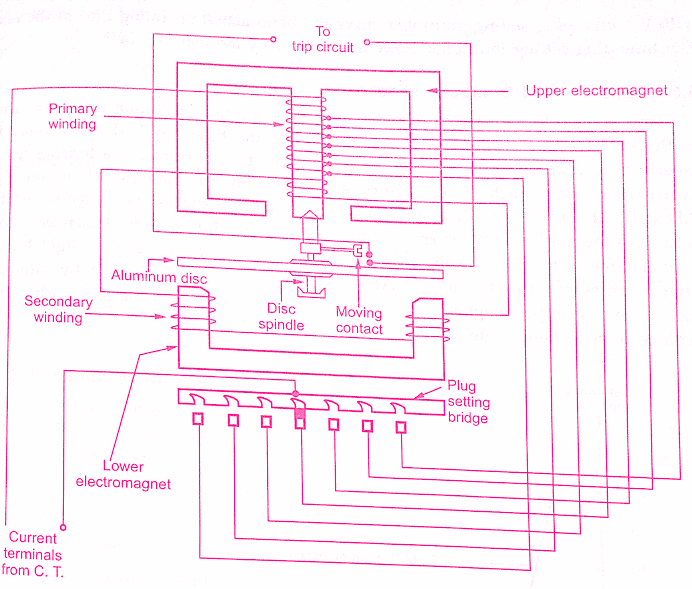
Non-directional Induction Overcurrent Relay:            This relay is also called earth leakage induction type relay. The overcurrent relay operates when the current in the circuit exceeds a certain preset value. The induction type nondirectional overcurrent relay has a construction similar to a watthour meter, with slight modification. The figure below shows … Read more

Types of Induction Relays & Torque Equation Derivation

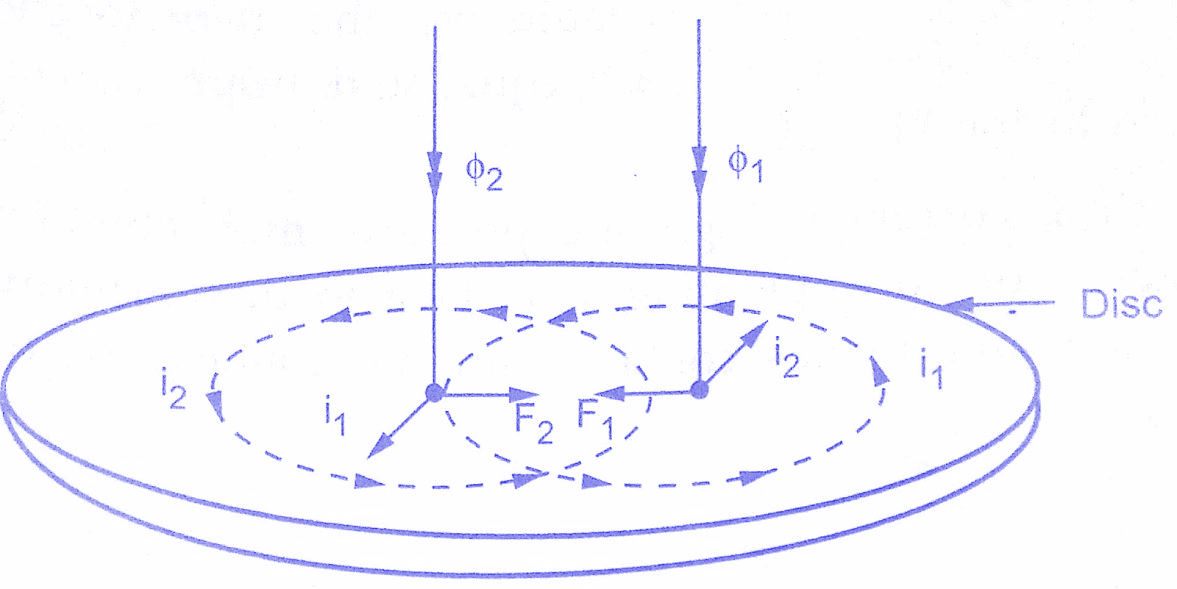
Induction Relays:              The induction type relays are also called magnitude relays. These relays work on the principle of the induction motor or an energy meter. In these relays, a metallic disc is allowed to rotate between the two electromagnets. The coils of the electromagnets are energised with the help … Read more

Construction of Thermistors & Characteristics

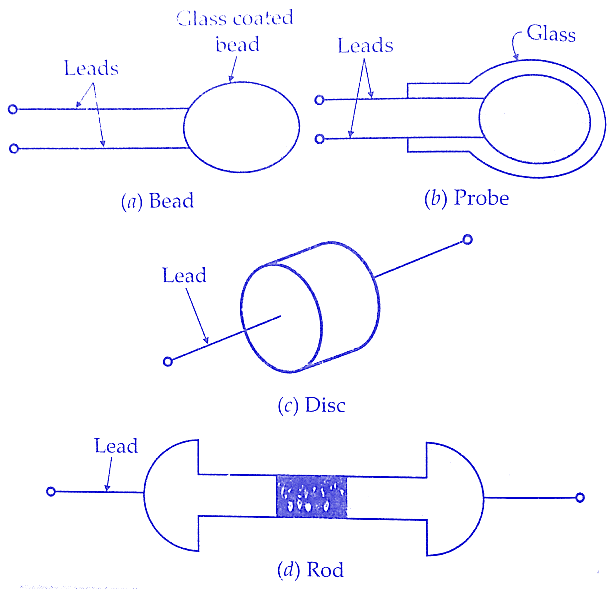
Construction of Thermistor Working:           Thermistor is a contraction of a term “thermal resistors”.Thermistors are generally composed of semiconductor materials. Although positive temperature coefficient of units (which exhibit an increase in the value of resistance with the increase in temperature) are available, most thermistors have a negative coefficient of temperature resistance i.e. their … Read more

Electrodynamometer Type Wattmeter Working Principle

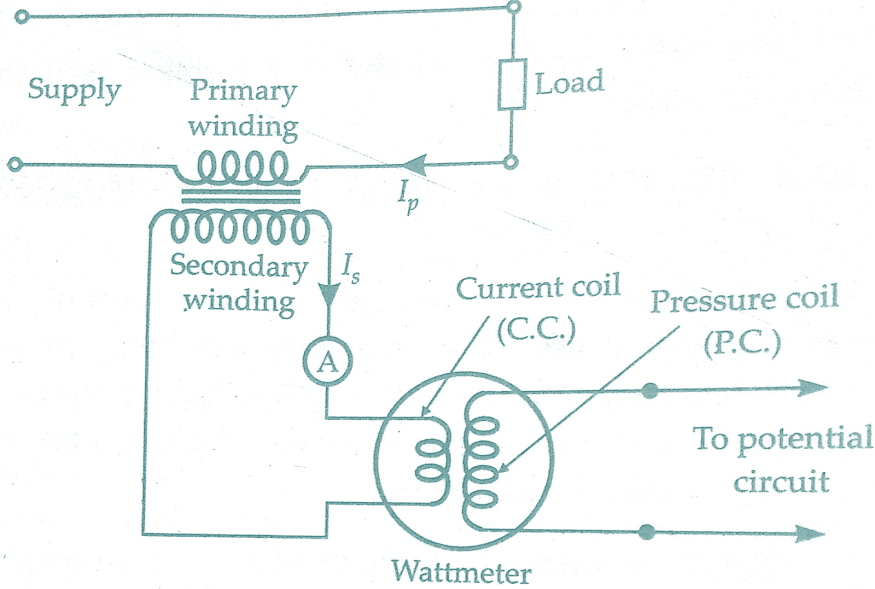
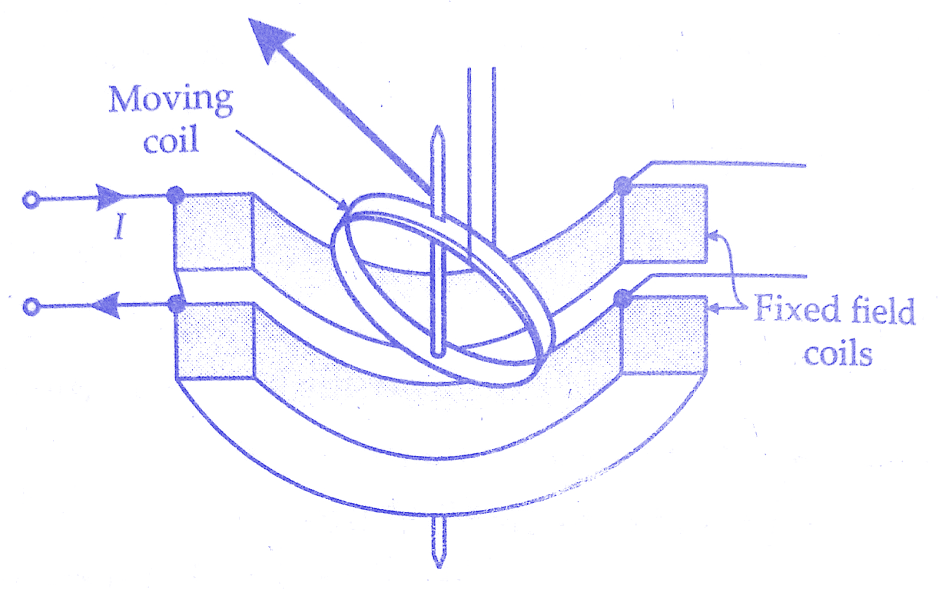
Electrodynamometer Type Wattmeter:                We will discuss Electrodynamometer Type Wattmeter working principle and its construction. These instruments are similar in design and construction to electrodynamometer type ammeters and voltmeters. The two coils are connected in different circuits for measurement of power. The fixed coils or “field coils” are connected … Read more

Electromagnetic Attraction Relays – Working & Construction

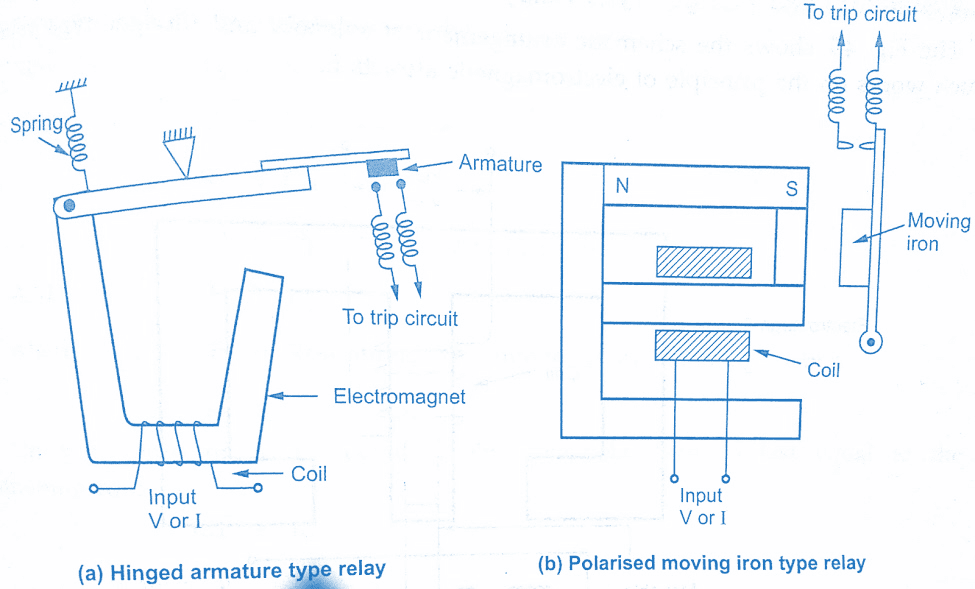
Electromagnetic Attraction Relay: In Electromagnetic Attraction Relays, there is a coil which energises an electromagnet.When the operating current becomes large, the magnetic field produced by an electromagnet is so high that it attracts the armature or plunger, making contact with the trip circuit contacts.These are the simplest type of relays. The various types of electromagnetic … Read more