Synchronization of three Phase Alternators & Synchroscope
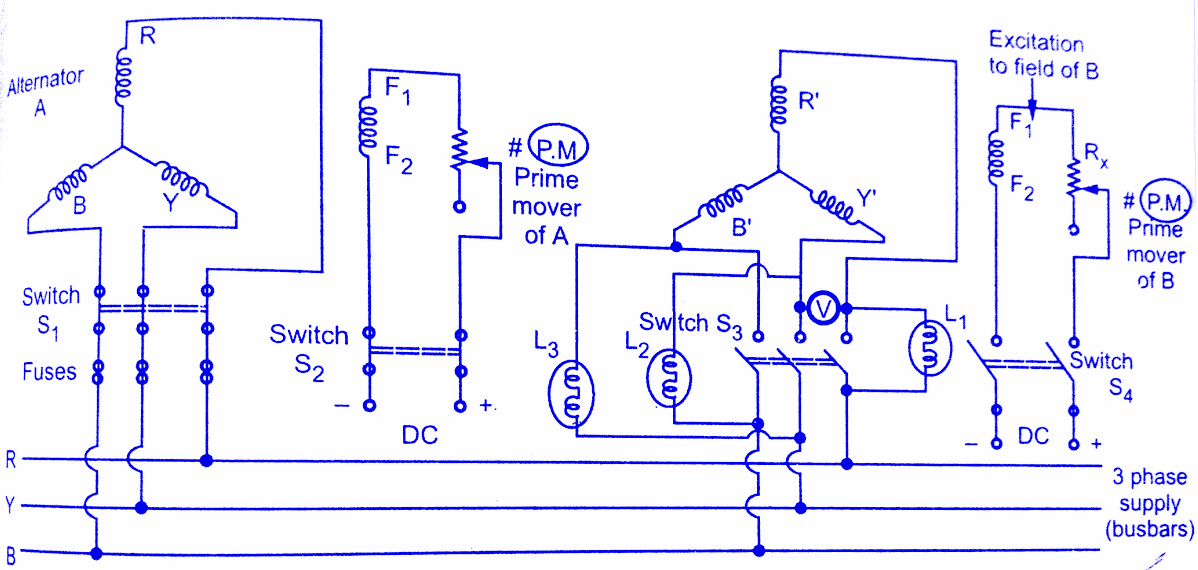
Synchronization of Three Phase Alternators: The conditions to be satisfied for synchronization of three phase alternators are same as that for single phase alternators. As discussed earlier the following are conditions for synchronization of  alternators: i) The terminal voltage of the incoming machine must be same as that of bus bar voltage.  ii) The frequency … Read more
Synchronization of Single Phase Alternators – Lamps Dark and Bright Methods

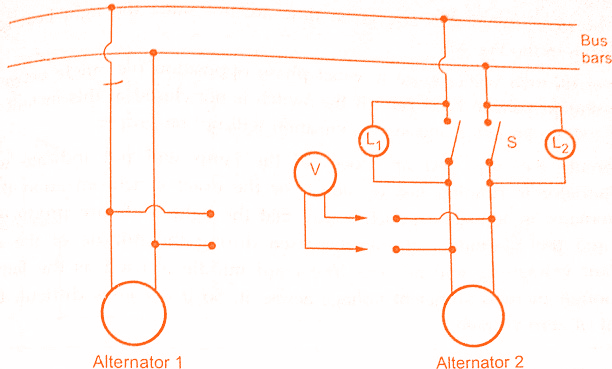
Synchronisation of Single Phase Alternators: Here we will discuss Synchronization of Single Phase Alternators and Lamps dark method & Lamps Bright method. 1.We know that a single synchronous generator gives power to a load by acting as a voltage source whose frequency is decided by its prime mover speed.The current and power factor can be found … Read more

Different Methods of Starting Synchronous Motor

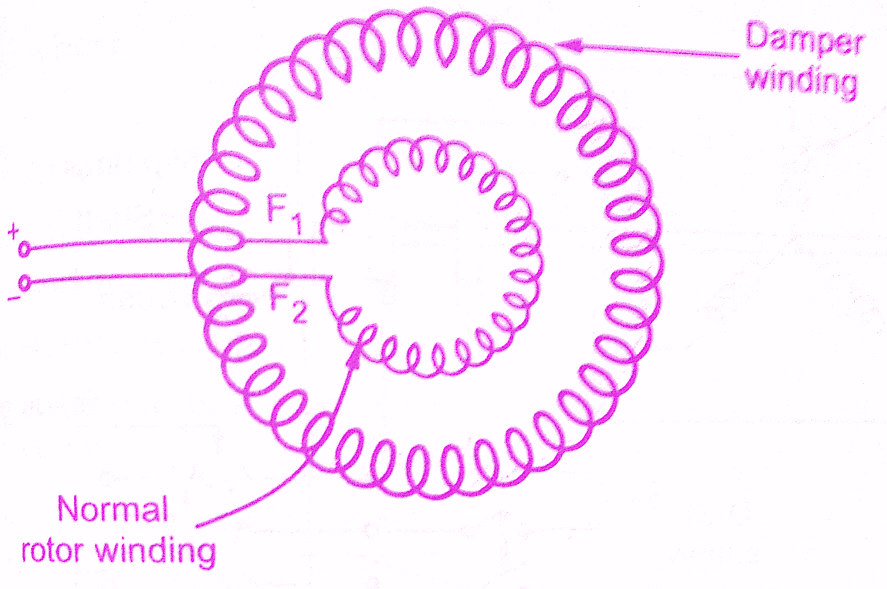
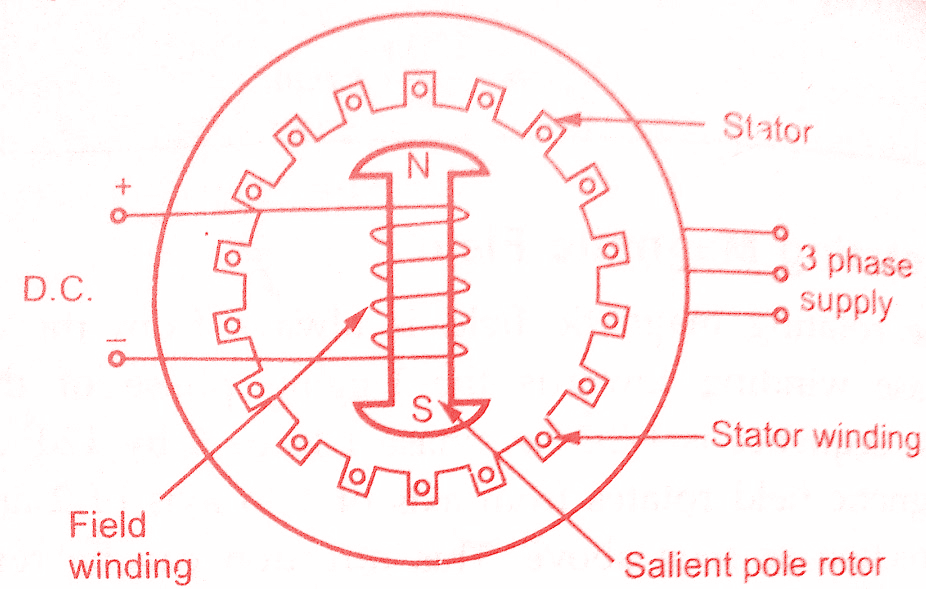
General Method to start synchronous motor: As we already know that synchronous Motor is not self-starting and we already discussed why the synchronous motor is not self-starting.So here is a general method to start synchronous motor. 1.Three phase winding is given a three phase ac supply.Now a rotating magnetic field is produced which is rotating at synchronous speed Ns rpm.  … Read more

Rotating Magnetic field(RMF) in Synchronous Machines

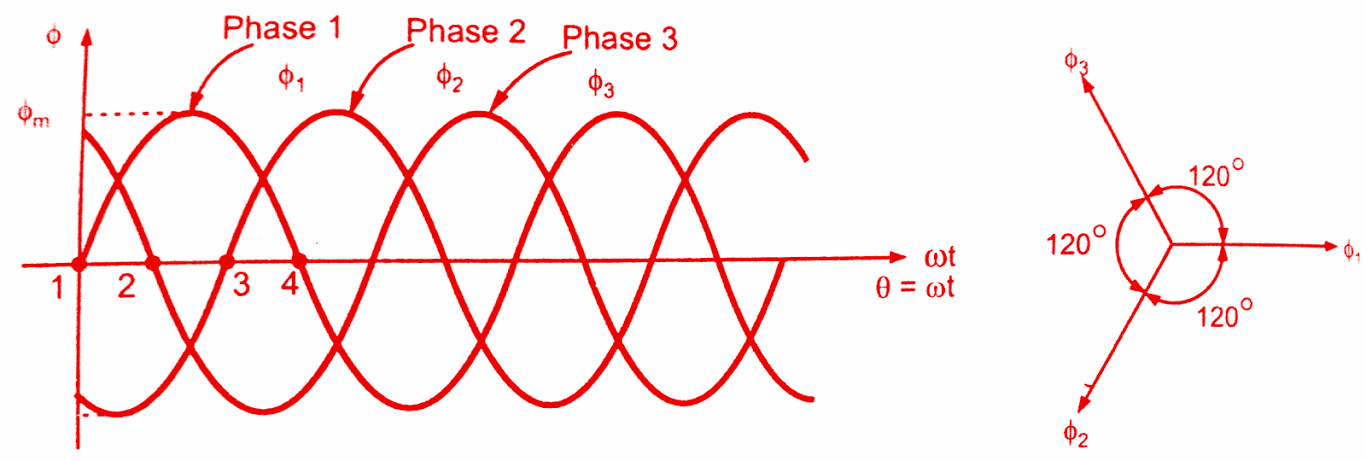
Rotating Magnetic Field (RMF) in Synchronous Machines:         As we know synchronous machines can be operated by rotating either armature or magnetic field but practically most of the alternators and motors prefer rotating field type and keeping armature stationary due to certain advantages. 1.The rotating magnetic field (RMF) is very important to … Read more

Armature Windings in Alternator & Types of Armature Windings

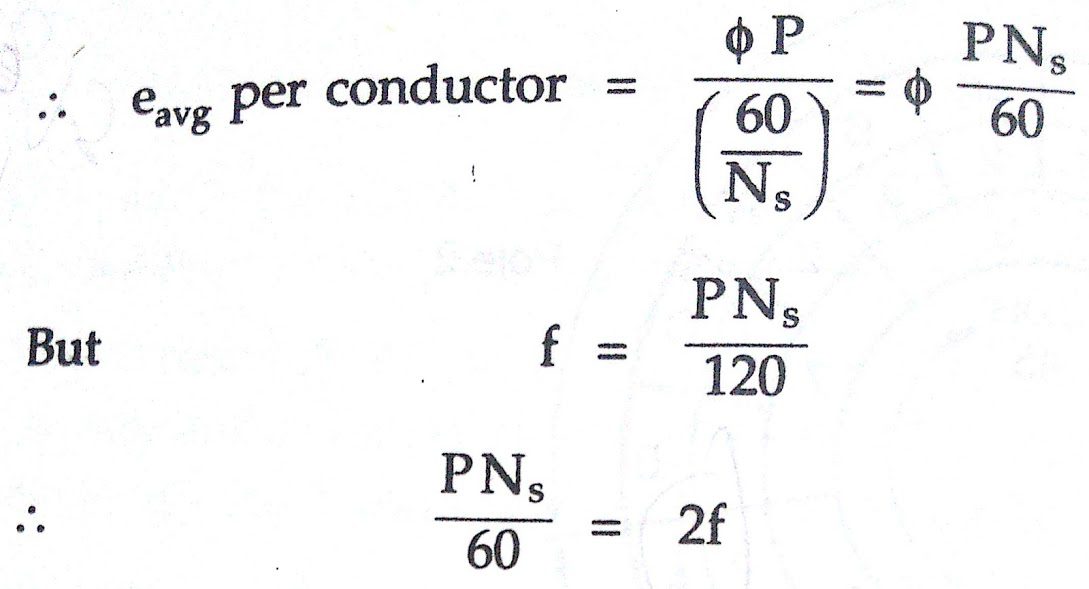
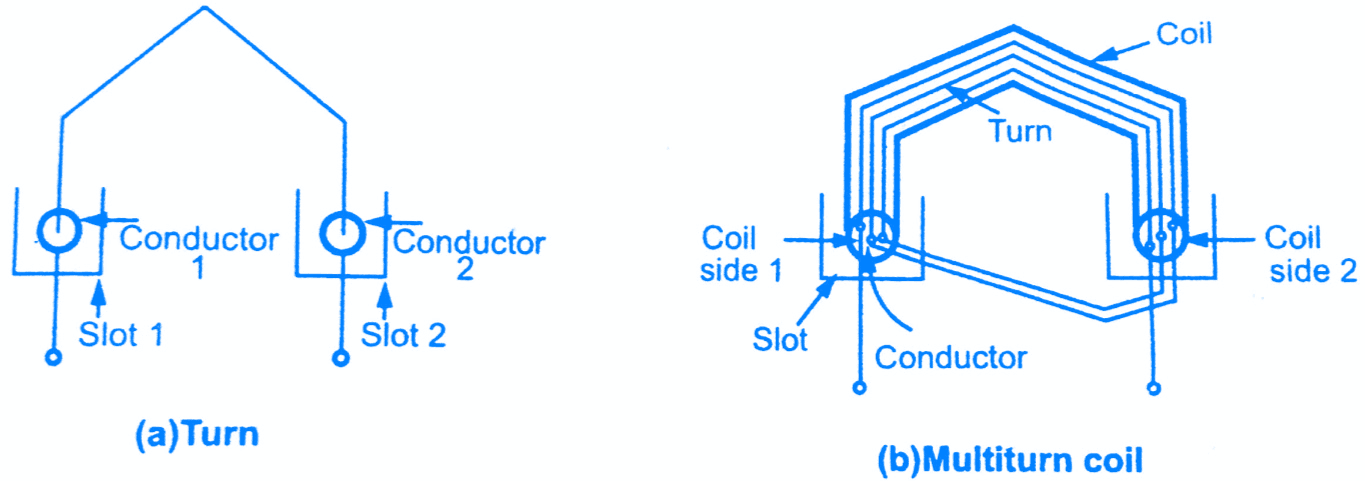
What are Armature Windings?          Armature windings of alternators are different from that of d.c machines. Basically, three phase alternators carry three sets of windings arranged in the slots in such a way that there exists a phase difference of 120° between the induced e.m.f.s in them.In a dc machine, winding is closed … Read more

Construction and Working Principle of Hysteresis Motor

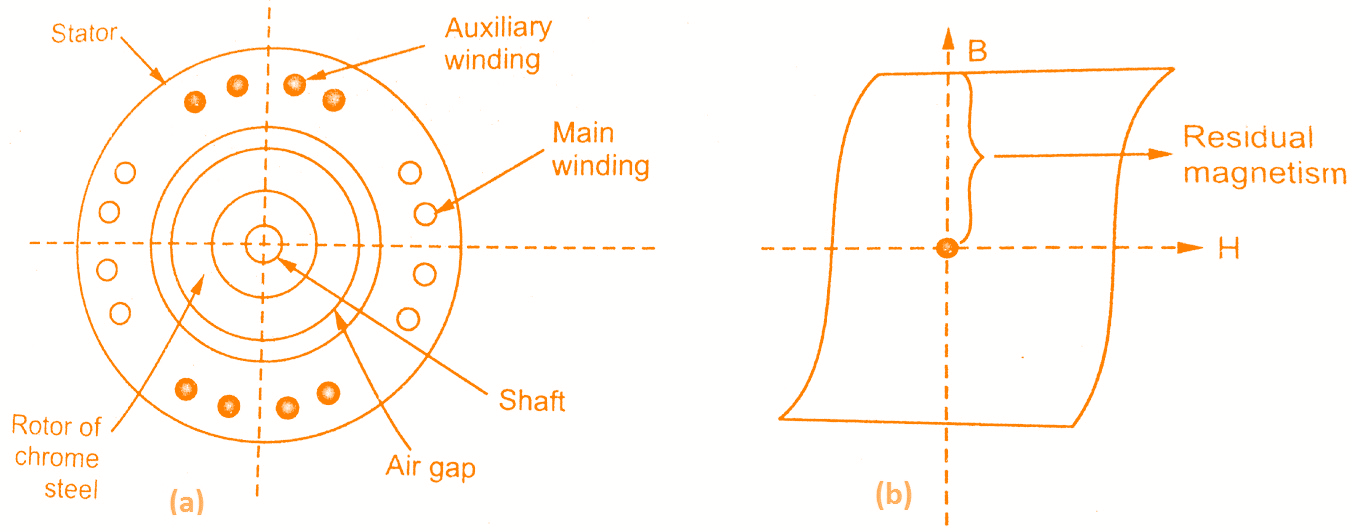
What is Hysteresis Motor?           Hysteresis Motor is a synchronous motor with a cylindrical rotor and does not require any dc excitation to the rotor and it uses non-projected poles.It is a single phase motor with rotor made up of ferromagnetic material. Construction of Hysteresis Motor: Hysteresis Motor consists of (i)Stator (ii)Rotor (iii)Main windings  (iv)Auxiliary … Read more

Construction & Working principle of Reluctance Motor – Applications

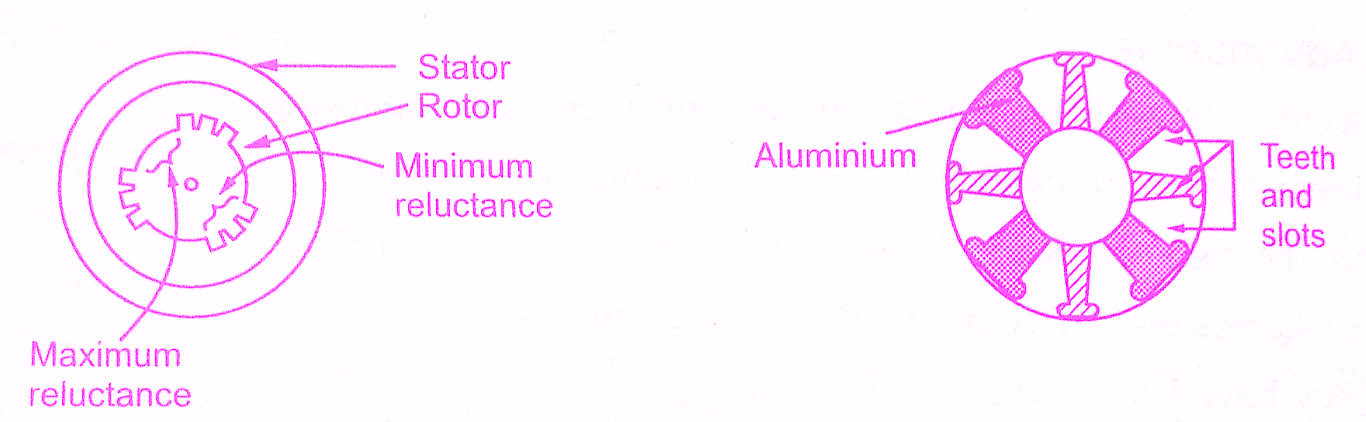
Construction of Reluctance Motor:           We know about different types of synchronous motors, apart from all these motor works based on reluctance. So it is called Reluctance Motor. Here we will discuss construction and working principle of Reluctance Motor. The reluctance motor has basically two main parts called stator and rotor. … Read more

DC Crompton’s Potentiometer or Laboratory Type Potentiometer

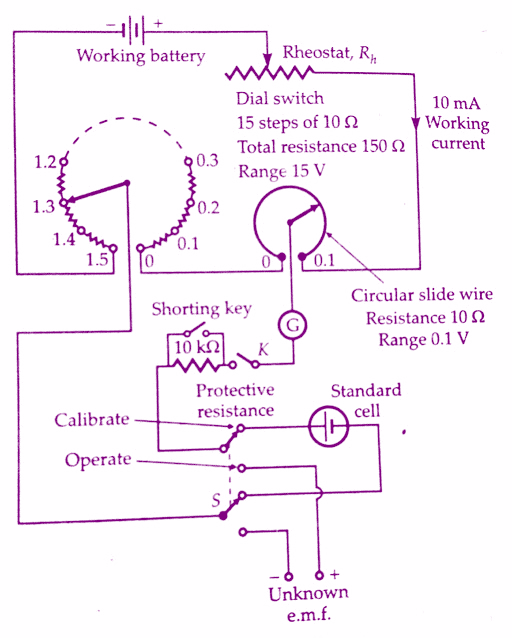
Laboratory-type or DC Crompton’s Potentiometer:           The slide-wire type of potentiometer described in the previous article is not a practical form of construction. The long slide wire is awkward, and even for the length shown cannot be read to a very great degree of precision. Modern laboratory type potentiometers use calibrated … Read more